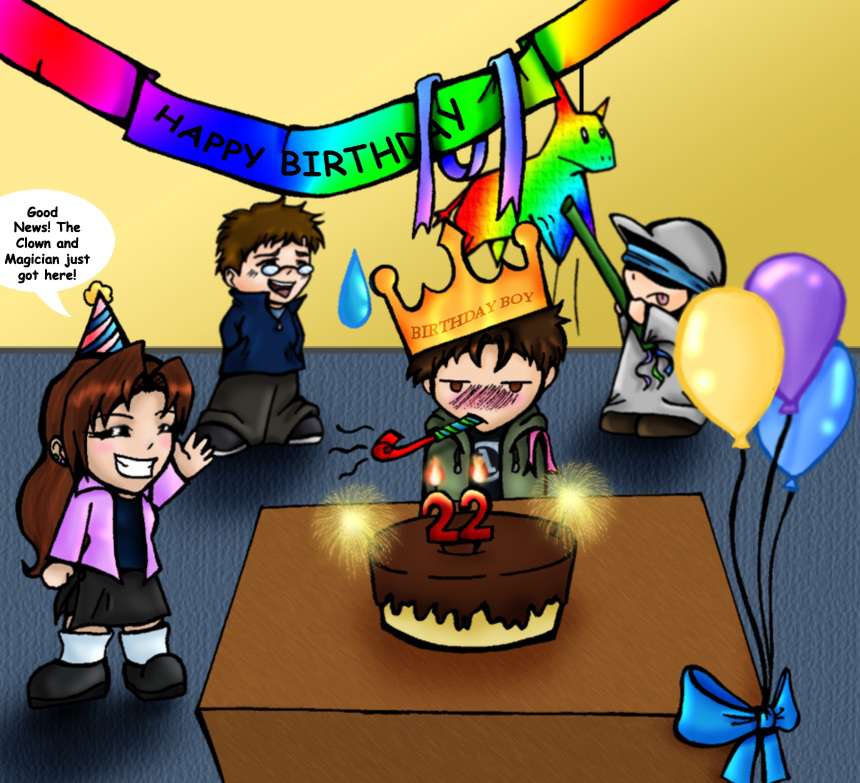
Click read more to read! Yep, it's my birthday & I wanna thank you all who followed me on my Blog, Facebook & Twitter over this half year, and mostly, thank you all who sent me all this awesome fan-pics, it's really cool!
Thank you all, and enjoy this awesome pictures I got from the fans hehe!
Also, on today's day, half a year ago I started this Blog, so enjoy the 2nd half of the Blog's year!
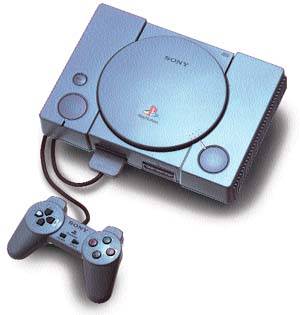
One of the, if not THE greatest console back in the days!
The year is 1996. Nintendo has their SNES and Sony has a lot of competition, and they release a true powerhouse, its name being the PlayStation. The game ''Final Fantasy VII'' is then released one year later, and thus the PlayStation was revolutionized with its awesome games. Shortly after, Nintendo released the Nintendo 64, which the PlayStation easily beat. The Nintendo 64's slightly better graphics didn't help it, they hindered it and because the PlayStation had such a good game library and fantastic stuff on it, the Nintendo 64 fell to the wrath of the PlayStation.
And soon, the happy years of the PlayStation died away. All of the 16, 32, and 64-bit consoles died away in 2001 and the PlayStation2 was released. It was glorious that it was able to play the original PSX's games, but its games themselves just held no candle up to the original PlayStation's game library, mostly because a lot of the games focused on graphics. Look at Spyro: Enter the Dragonfly. I hated it thoroughly and completely, but I loved the original three Spyro games for PSX. This is simply because the PlayStation is one of the best systems of all time.
GRAPHICS: The PlayStation has fallen to the N64 and PS2 in terms of graphics, but still it has some of the best graphics out there. The animation in most games was superb... from Spyro the Dragon flaming enemies into toast and Crash doing his amazing moves, you simply could not match all that it could do in those days. In the early days of the PSX when Tomb Raider came out, all of gaming was simply amazed. When Final Fantasy VII was released in 1997, all of graphics were defeated. The 3D animation and the realistic FMV sequences simply blew everything away that was released at the time.
The later PlayStation titles look almost totally like PS2 games. Games like Final Fantasy IX, which took a leap over the already high Final Fantasy VIII. The realistic water and the character designs were like nothing that the PlayStation had ever seen before. And that's not to mention the totally realistic shooters, which had such nice-looking lasers and guns firing. The survival horror games were so realistic that the horror of them just went up like you can imagine. The sports games were extremely lifelike and made you feel just like you were playing the sport. Overall, PlayStation's graphics rock.
SOUND: Most of the music that these games presented were not really as good as the music that CDs offered, but it was still good. Nobuo Uematsu, one of the best music composers of all time gave the Final Fantasy games all of his power to make their great music. The fans of rock music can rejoice at hearing the music Nobuo Uematsu gave the games. Hell, even the platformers had great music! As for sound effects, I couldn't really care less, but the sword slashes and lasers, things like that and stuff were truly spectacular. Overall, nothing can top most of the music, and the PlayStation even balances things with good sound.
GAME LIBRARY: Besides the possible NES and SNES having some victory, PlayStation has the single best game library out there. There was just a great game for fans of every genre on the PSX. All the sports games had great features and played perfectly for the one trying them, the fighters were great, the platformers and RPGs TOOK THE THRONE, the survival horror games made people quake in fear when playing them in dark rooms at night alone, the strategy games were just what people wanted to play, and the shooters were fantastic. Simply, this is one of the best gaming libraries that you will ever see.
SPORT GAMES: I don't really like sports games that much, but the PSX had some of the best sports games there. There were also a good deal of them, so that everyone could play any sport they wanted. Some good sports games to check out: Triple Play series; Madden serie.
FIGHTING GAMES: I am also not a huge fan of fighting games, but this system simply had spectacular fighting games. Their gameplay was extremely realistic and made you feel like you were in real life, beating someone up. Some good fighting games to check out: Ehregeiz; WWF series; Street Fighter series.
PLATFORMER GAMES: This is where PSX will start to get stronger. PlayStation had more platformer games than you could need. All of them had excellent graphics and sound so you wouldn't puke while playing them, and they all had great qualities of fun. Some good platformer games to check out: Spyro series; Crash series; Gex series; Mega Man series.
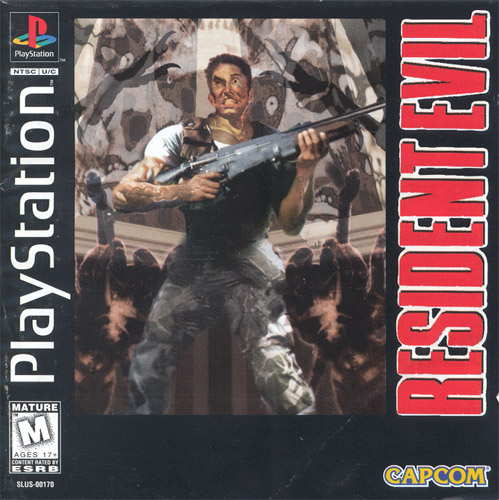
SURVIVAL GAMES: Although PlayStation was a little less strong in terms of horror games than platforming games, the PlayStation started the great series' of horror games that we know today on newer consoles. They were also some of the best you could play, and scariest as well. Some good survival horror games to check out: Resident Evil series; Silent Hill series.
ACTION GAMES: PlayStation also has great non-platforming action games to go with it, such games winning so much hype it was unbelievable. The games of shooting people down and slashing away at them were so fun that you could just be hooked... PlayStation has got just about all that you'll want in them. Some good action games to check out: Metal Gear Solid; Medievil series.
STRATEGY GAMES: Nowadays there are few strategy games out there. But Final Fantasy Tactics has one of the best storylines and perfect gameplay that has ever been seen, and the games where you get up in huge robots and destroy things totally destroyed tons of the competition. They were all also super-long too. Some good strategy games to check out: Final Fantasy Tactics; Front Mission series.
ROLE PLAYING GAMES: Okay, here is the PlayStation's true shining point, and here is where I wish I could give it a higher score. The perfect RPGs that were featured on PlayStation were truly some of the best games ever, and they even beat down the platformers, and that is really saying something. The Final Fantasy series won so many lovers that it was almost godlike how the PlayStation could give them. The ports from the old games of NES and SNES were improved and now even better than they were originally. A lot of them were extremely long and featured excellent battle systems, and they just destroyed any other system's role-playing games, bar none. Some good RPGs to check out: Legend of Dragoon; Legend of Legaia; Legend of Mana; Final Fantasy series; Threads of Fate; Breath of Fire; Dragon Warrior; Wild Arms; Xenogear
SHOOTER GAMES: Last but not least, the shooters. Although I don't really have much to say here, these games had such lifelike graphics and they were extremely fun to play. The PlayStation truly thrives in just about every area. Some good shooter games to check out: Colony Wars series; Ace Combat series.
OVERALL: For those who refuse to play games that don't have good graphics and don't have their PlayStation, they can get out of their hole because this system has good graphics. Composers like Nobuo Uematsu helped make the games have good music and sound, because a lot of people care about such things. The game library can only be topped by perhaps the early Nintendo systems, because fans of fighting, sports, shooters, RPGs, action, and platformer games just have everything they'll need, right here on this little console. And since you can pick up the PlayStation at cheap prices in the online stores, you can't go wrong with the PSX.
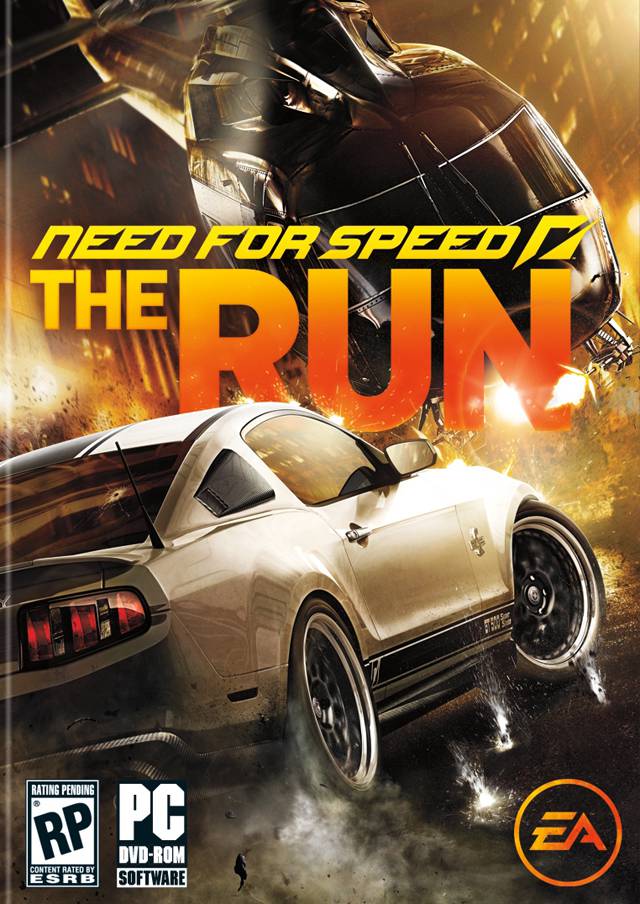
The Need For Speed franchise is one that’s always been flying just underneath my radar. I’ve played through the first two games, but when Burnout was released I left it for greener pastures. Since then, I’ve become a casual fan of racing games and although most people enjoy driving high end cars around a circular track in order to get the best times, I have to admit that sort of play tends to get a bit dull for me. When Need For Speed: The Run was announced at E3, like many others, I chuckled at the notion of a racing game containing on foot quick time event sequences. I came into the game with not-so-high expectations but to be honest, I’ve found myself feeling pleasantly surprised.
Need For Speed: The Run is the first game in the franchise that is built around a story. After getting into trouble with a criminal organization in San Francisco, Jack Rourke barely manages to escape being crushed to death in car compactor. Fleeing from his captors earns him a bounty and now that he’s become indebted to his organization, Jack’s got to come up with some fast cash. Conveniently, Jack bumps into his cohort Sam Harper (modeled after and voiced by actress Christina Hendricks) who offers him a deal: participate in a cross country race and win enough cash to pay off the mob.
GAMEPLAY: For the most part, Need For Speed: The Run is a racing game, but instead of moving to various tracks in order to compete for lap times, you’ll start as the 200th car in a race from San Francisco to New York City. The game breaks the two thousand plus mile road trip into several different game types that will either task you with gaining a certain number of positions before reaching the next leg of the trip, overtaking and maintaining the lead over specific opponents and doing timed checkpoint races to make up time. You’ve got a sizeable collection of cars to choose from at the beginning of the game, such as the new Camero, BMWs and Porsche 911 (sorry, Forza 4 players). You’ll earn more cars by playing through several boss-style encounters with rival drivers. You can switch your car by pulling into gas stations, where you can also customize them with paint schemes, frame modifications and various spoiler types in case you get bored of looking at the car you’re driving. You’ll earn experience points for various actions, such as completing a stage, performing clean or dirty car passes and finishing a round with a fast time. These points will feed into your Driver Level, which will unlock various performance upgrades, such as nitro boosting.
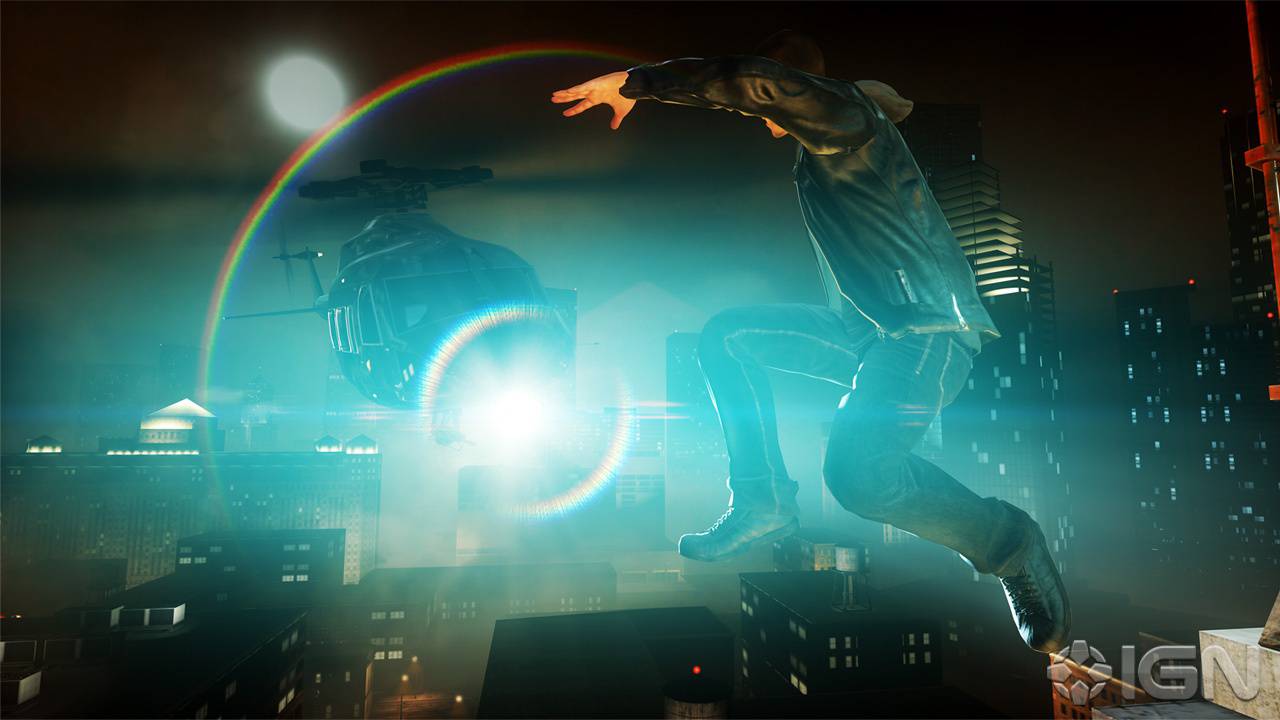
Occasionally, there will be instance in which you are forced to get out of your car and play through a quick time event before getting back into the race. As silly as the concept sounds, I found them to be a nice way to break up the action a bit and really gives the game the theatrical flair it’s obviously striving for. However, as with most QTEs, they tend to wear out their welcome after you’ve missed the prompt for the third or fourth time and forced to start again. Whether you miss a QTE prompt or wreck your car, you’ll use up a Restart which will send you back to the closest checkpoint, which could either be a good or bad thing. There have been a few instances of rubber band AI allowing a car I spent considerable time trying to overtake and maintain my lead to suddenly pass me when I only had two feet left to go before reaching the finish line. I’ve spent the majority of my Restarts trying to recover from wrecking my car after colliding head on with traffic that tends to appear seemingly out of nowhere. On the other hand, I wrecked my car during a spectacularly failed run and was able to recover quickly after the Restart.
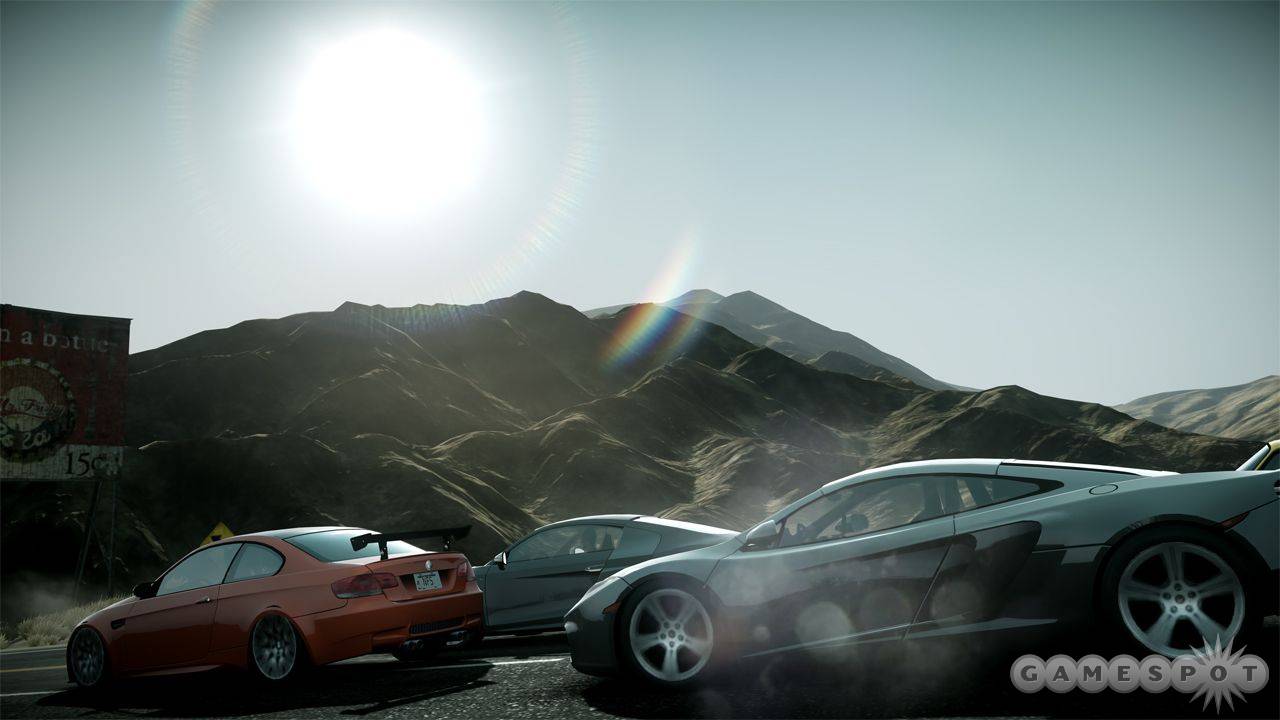
GRAPHICS: As far as cars are concerned, the game looks fantastic as the cars (clearly the stars of the show) have been lovingly rendered from their real life counterparts. All the curves you love of the Porsche are there as are the sharp angles of the modern Cameros. Pausing the game will give you access to a Photo Mode, where you can manipulate the camera and set filters in order to take some exquisite photos of your vehicle. The tracks are well done, providing you’re racing through the game’s major cities. Barrelling through the Death Valley or Yosemite Valley isn’t as nearly as exciting as tearing through the busy streets of San Francsico or Las Vegas. The initial race is incredibly exciting, as your car burns through the hills Bullitt-style while the police scream out APBs.
Where the visuals falter is in the designs of the major characters. Despite scanning the faces of Christina Hendricks and Sean Faris, they do not look very good. They suffer from Uncanny Valley, dead eye syndrome, which is a surprise because the last time EA used face scanning technology for 007: Everything of Nothing, the character models looked great. Perhaps I am spoiled by the likes of Uncharted and L.A. Noire, but the characters look like they were rendered at the last minute and could have used some extra polish. Especially when you’re trying to make them look sexy. During a fuel stop in Las Vegas (I had no idea the Porsche 911 had such great gas mileage!), the game introduces a pair of female races who bend over, wiggle their asses and writhe Michael Bay-style over their cars in front of Jack. The animations for these two women were wooden and stiff at best and not nearly as sexy as the animators were trying to make it out to be. If you’re going to spend the money to hire Sports Illustrated swimsuit models for your game, at least put some effort in their digital appearance.
I ran into a number of technical glitches during my playthrough, specifically the game would often stutter during particularly busy sequences (I doubt this is a video card issue, since the game normally ran just fine), the frame rate would drop in spots and there were some serious syncing issues with the game audio during the cutscenes. The character’s voices would play a second before their mouths would animate, reminding me of a poorly dubbed kung fu film. The icons for the QTE sequences could have been designed better, now that I think about it. Because I’m playing on a keyboard (since I’ve lost my gamepad), instead of having a button that says “SPACE” or “ENTER,” the game just brings up a blank, white rectangle or the shape of an old school Enter key. Because the arrow graphic on my Enter key is the same as the Backspace key, I’ve had several frustrating instances of pressing the wrong button during a QTE.
FUN FACTOR: Man, i haven't done this section for a long time. Need For Speed: The Run is a surprisingly fun game primarily because of its presentation as a Jerry Bruckheimer-esque thrill ride. Racing two hundred other drivers in a cross country road race is fun, especially during the instances in which you’ll have to battle highway traffic as well as your opponents. Because the game will switch between the different racing modes at random, it the experience is constantly changing. The QTE sequences suffer from the same irritants that are inherent to the gameplay mechanic, but it breaks things up nicely. As you race to New York City, you’ll unlock challenge maps to play through as well as engage other drivers in a multiplayer mode. There is plenty to do in the game, but honestly, once I finish the story, I really don’t see myself going back through it again except to try out the new cars. Even then, I would just limit myself to one particular level. If you’re the type of person who is always looking to improve race times, than you’ll come back to the game for that. EA’s Autolog feature from Burnout Crash! returns, which will rank your times against those of your friends.
One of the more significant gameplay issues I experienced was due to the use of a keyboard. For some reason, the developers associated the boost key with the accelerator and this was an absolutely terrible design decision. If you’re attempting to pull off a drift and happen to have a significant amount of boost saved up, pressing the accelerator to push through the drift would always activate the boost, which would send my car crashing into the wall and slowing me down, allowing other racers to pass, or send me off a cliff.
OVERALL: Need For Speed: The Run may not unseat Gran Turismo and Forza 4 as a top tear driving/racing simulator, but the Hollywood-style presentation has a lot more charm going for it than I initially expected. Granted, it has a number of issues but like a Jerry Bruckheimer summer blockbuster, The Run is good, mindless fun. Racing purists may thumb their nose at it, but if you’re the kind of person who prefers Burnout over Gran Turismo, you’ll eat it right up.
NAME: NEED FOR SPEED - THE RUN SYSTEM: PC, Play Station 3, XBOX 360, Nintendo Wii, Nintendo 3DS
My advice? Don't bother with any of the exterior cameras when playing Shift 2: Unleashed. Just don't. Play it as you'd drive a real car; perched behind the windscreen, head dancing to the contours of the track. Be the driver, not the car. Because in terms of making you believe that you're sat there in the driver's seat, fingers curled around the steering wheel as the car screams around a track at 150mph, Shift 2 has no equal.
Suffice to say, Shift 2's cockpit views are unparalleled. Yes, better than Gran Turismo 5's. As you tear down a straight, the camera shakes and the dashboard blurs, and the odd bit of dirt flicks up from the track onto the windscreen. From the texture of a driver's gloves to the upholstery reflected on the windscreen, it's clear that Shift 2 is in a league of its own in terms of cockpit design.
It's more than just eye-candy, however. A flick of the right-stick will move your driver's gaze about the vehicle. This has practical purposes: if you need to know what the car behind you is up to, you can steal a glance at the rear view mirror. This is what you'd have to do in real life, after all, as real drivers don't have the luxury of a button to swap their whole perspective. This could all be done in the original game, of course, but a new helmet camera takes immersion a step further. As well as offering a slightly higher view of the track, the view slides in the direction of a turn as you enter the corner, just like a driver's head would in real life. While I tend to stick to the standard cockpit view, the helmet cam offers the most true to life experience the game - any racing game, for that matter - has to offer.
Realism was clearly of chief importance to Slightly Mad Studios, but - despite dropping the words Need, for, and Speed from the title - Shift 2 retains that element of excitement and spectacle that has defined previous games in the series. The new night races are a good example of this. Your view of the track never extends further than a few metres in front of you, demanding quick reflexes and unyielding levels of concentration. Not knowing what's around the next corner, or even knowing it's there at all until the last second, is a nerve racking but exciting experience.
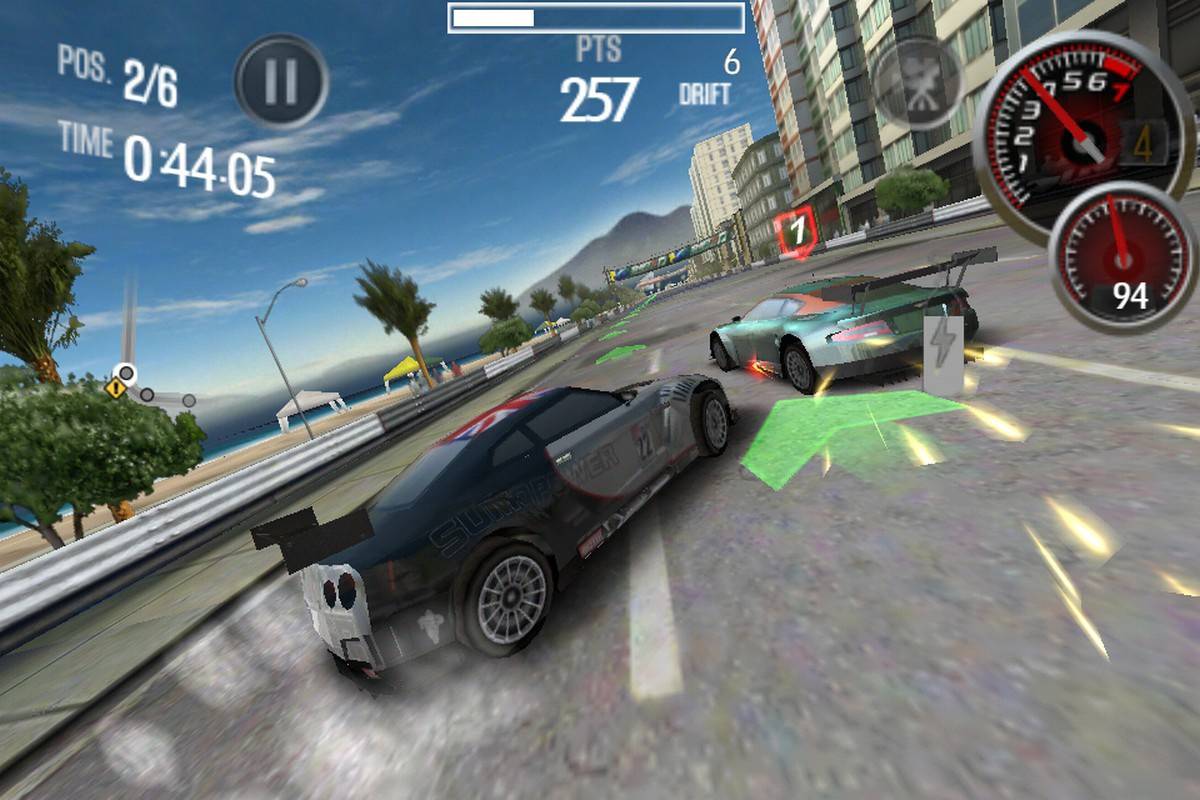
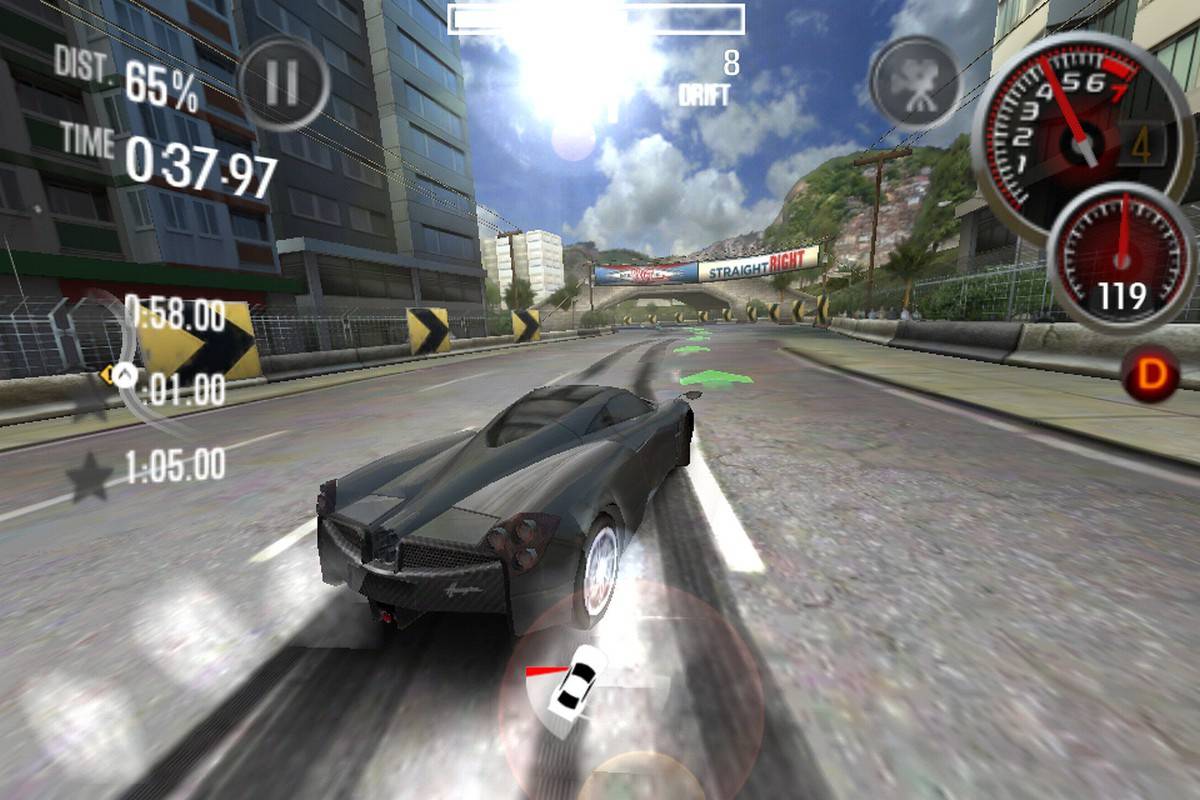
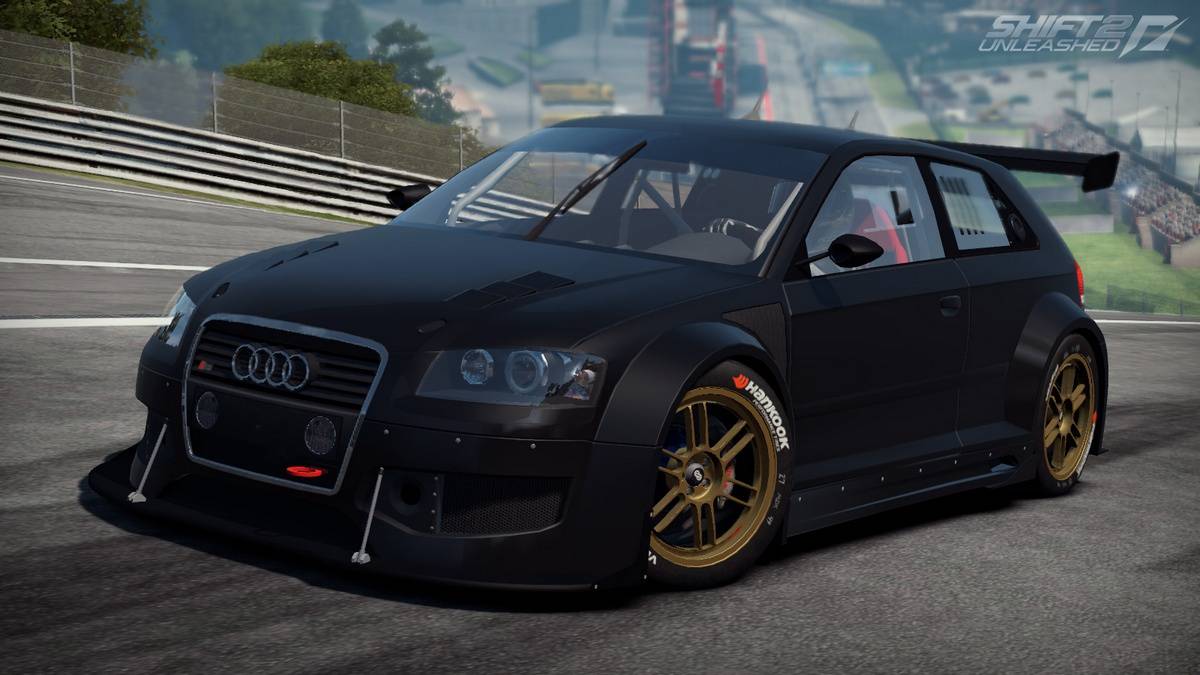
The bulk of the game's content is tied up in a hefty career mode, which spans a range of different events, from standard races and time attacks, to eliminations and drift challenges. Variety is the spice of life, as they say, and Shift 2 has built its career around this sentiment. As you work your way up from grass roots races to the FIA GT1 series finale, you'll sit behind the wheels of sporty hatchbacks, prestigious supers and all-American muscle cars. You'll drive cars designed specifically for drifting and others stripped to the barebones for extreme time trials. With over 145 cars from 36 manufacturers, Shift 2 boasts the biggest roster of any Need for Speed game to date.
Petrolheads will be pleased to find equally extensive customisation features under the bonnet, too. Money earned in the career can be used to upgrade engines, tyres, suspension and brakes, amongst other bits. As your car's performance index increases it'll improve in class, making it eligible for more races. Interestingly, Shift 2 allows you to tinker with your setup in the very midst of a race, too, making it easy to immediately appreciate how changes affect your car.
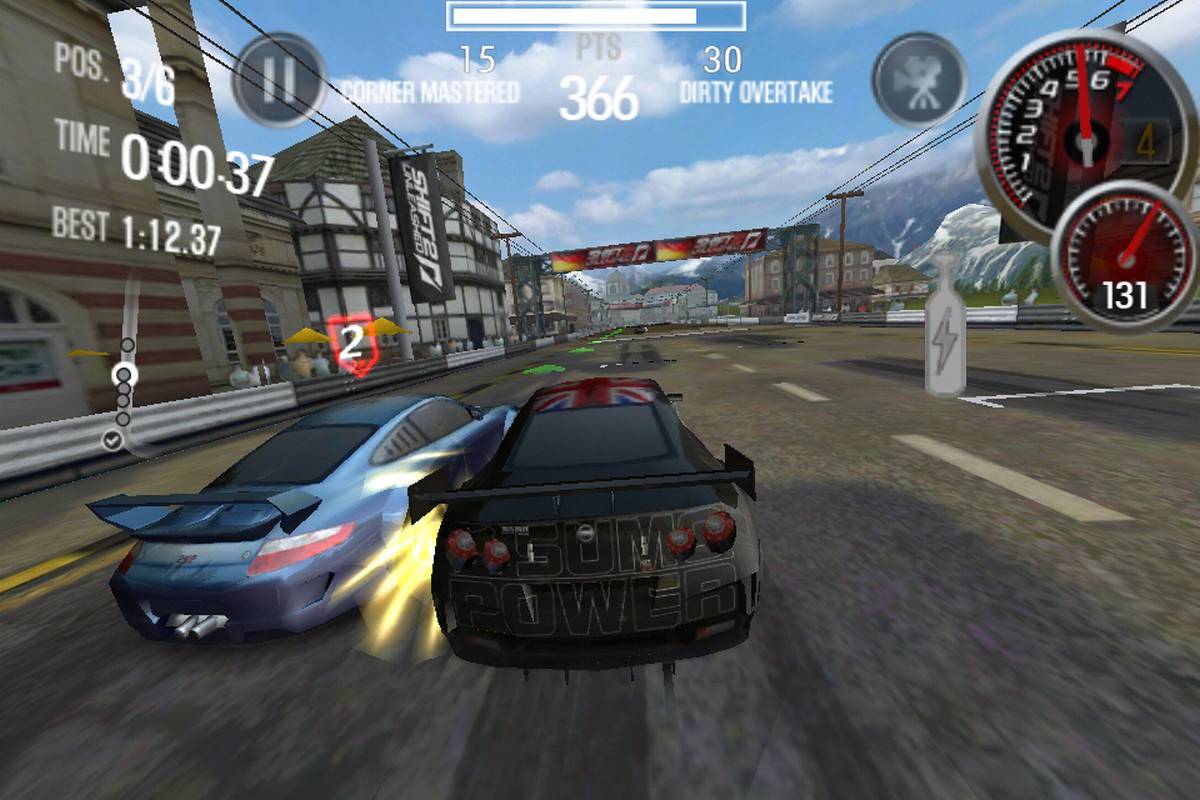
Throwing these vehicles around the 40-odd tracks the game has to offer is incredibly satisfying. Make no mistake, this is a technical racer, and you'll become well acquainted with the barriers during your first few races, but the controls are tight and the cars feel suitably responsive. If you do find yourself getting a little too friendly with the gravel traps, there's always the option to turn on steering and braking assists. Rival drivers defend parts of the track where they're vulnerable to being overtaken, exploit your mistakes and, importantly, crash every now and again of their own accord. The AI is great, which means you have to fight for your victories, and with no rubber banding in sight, the last lap is no more important than any other.
Should you spin out in the final stages of a race, you'll curse the game's lack of a rewind feature. This isn't a criticism as such, but after playing the likes of GRID and Forza 3, you start to appreciate how nice it is to correct the occasional mistake at the tap of a button. I found myself restarting a lot, especially during the cramped city races where crashes are most frequent. It could be that such a feature would have interfered with Autolog, which I'll get to in a minute, but many people will find the absence of a rewind difficult to acclimatise to.
Tying the game together is an XP and level system similar to that on offer in the first Shift. By sticking to the racing line, nailing corners, drafting behind rivals, and displaying other acts of good driving, you'll be rewarded with experience points contributing to an overall level. When you 'rank up', you'll be showered with new cars, parts for customisation and increasingly large amounts of cash.
XP can also be earned online, where players will spend increasing amounts of time once the career has been polished off. Slightly Mad Studios has made a point of listening to its community, incorporating a mode called Catch Up in addition to the usual ensemble of multiplayer racing modes. Here one player jumps into one of the less powerful cars and races off thirty seconds or so before the competition. Everybody else takes control of faster cars, tasked with catching the car in front before it reaches the finish line.
Menu screens are backed by an accompaniment of chilled out remixes from the likes of Jimmy Eat World, Anberlin and Biffy Clyro. The race itself is then undertaken in comparative silence, with only the sound of roaring engines and screeching rubber offering much in the way of a soundtrack. The original versions kick in as you cross the finish line, with heavy guitars and hearty bass lines. It's motivational stuff, and if you're a fan of these kinds of bands - as I am - you'll appreciate it all the more.
So, the game looks and sounds great, handles well and offers solid multilayer to boot. So what? Gran Turismo and Forza do these things, too – well, Gran Turismo was somewhat bewildered by the notion of online play, but I digress. In my eyes, Shift 2 is separated from the competition by the extensive social features surrounding the game. Anybody who has played Hot Pursuit will know how much Autolog adds to the experience. While a notification that you've been beaten by a friend can be intensely frustrating, it also incites competition like nothing else. Pressing the back button at any point in the menus will take you to the Autolog screens, where you can check your recommendations, news and leaderboards - or speedwalls, as Autolog calls them - in one handy location. As with Hot Pursuit, all it takes is the tap of a button to accept a friend's challenge and get to work on beating it.
Shift is a much better fit for the technology than its Criterion-born counterpart, too. Spike strips, helicopters, EMP blasts and other extraneous variables often meant that times and scores were outside of your control. In Shift 2, it's all on you. If you can't beat a friend's time, there's nothing to blame but your own incompetence behind the wheel. And your friend will know you're struggling, too, because it tracks each and every attempt you make. This is singularly the best (and worst) feature of Autolog.
There's an argument that racing games are becoming stagnant. With this generation of console, graphics and car handling are reaching a plateau, and innovation needs to come from elsewhere. To my mind, Autolog is doing more for the genre than anything else right now, and other developers are going to have to conjure up something similar to remain on equal footing with EA. Shift 2 is technically very impressive, but like Hot Pursuit, it's the social features surrounding the game that define it as an experience. If you're a serious fan of the genre, know that Shift 2 does several things better than anything else on the market right now, which makes it an essential purchase.